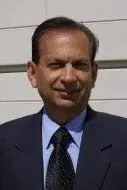
Devnani, Holo
Holo Devnani is a Richmond Hill resident and former mayoral candidate. His background includes studies in physics, medical physics, finance and condominium law, along with experience in data consulting and condominium governance. He has also responded publicly to civic issues including housing, climate action and public space.
Quick Policy Snapshot
| Gentle Density |
Support case-by-case after neighbourhood review
Q
|
|---|---|
| Parking Mandates |
Neutral / undecided
Q
|
| Transportation |
Neutral / undecided
Q
|
| Public Safety |
Public safety is mostly a police/regional responsibility, with a limited City role
Q
|
| Cutting Development Charges |
Neutral / undecided
Q
|
Detailed Policy Positions
Housing & Growth
Gentle Density
Position: Support case-by-case after neighbourhood review
Priority: High priority
Gentle Density — My Position
I support gentle density when it is done responsibly and backed by clear facts. Duplexes, garden suites, and other infill options can help neighbourhoods grow without becoming concrete jungles — but only where servicing, safety, and infrastructure standards are fully met. I don’t believe in blanket approvals or blanket refusals. Each proposal should be evaluated on its merits, with transparent information about impacts, readiness, and long‑term planning. Good decisions come from evidence, not assumptions, and gentle density works best when it balances safety, fairness, and the need for more homes.
Small Builders
Position: The City should actively make it easier for small local builders and property owners to create modest housing projects
Priority: High priority
Richmond Hill should welcome smaller local builders, homeowners, and community‑based groups when their projects meet clear servicing, safety, and infrastructure standards. Modest housing—duplexes, triplexes, fourplexes, laneway homes—can strengthen neighbourhoods, but approvals must be based on evidence, not assumptions. The City’s role is to create fair, transparent rules so small builders are not pushed aside by large developers, while still ensuring quality, compliance, and long‑term neighbourhood stability. Good policy treats everyone equally and evaluates each proposal on its merits
Growth Corridors
Position: Neutral / undecided
Priority: High priority
I don’t believe Richmond Hill should rely only on high‑rise corridors or only on small‑scale housing. Good planning needs both. Towers make sense in major centres where transit, servicing, and emergency capacity already exist. But limiting all growth to high‑rise areas can create pressure and reduce housing choice. Small‑scale options—duplexes, triplexes, fourplexes—can fit well in established neighbourhoods when safety and infrastructure standards are fully met. I prefer decisions based on facts, not assumptions. Each proposal should be evaluated on its merits, with transparent information residents can verify through trusted sources.
Permit Reform
Position: Support faster permits, but not a fixed one-week target
Priority: High priority
Yes, I support making straightforward, code‑compliant building applications faster and more predictable. When a project clearly meets safety, servicing, and zoning requirements, long delays add unnecessary cost for residents and builders. A quicker review target — even one week where feasible — is reasonable for simple applications, provided standards are fully met. This is not about cutting corners; it’s about removing avoidable bottlenecks. Efficient permitting reduces carrying costs, improves housing delivery, and keeps the process fair for both small and large builders. Residents should confirm details with trusted sources.
Parking Mandates
Position: Neutral / undecided
Priority: High priority
Minimum parking requirements should be based on evidence, not assumptions. In some areas, high parking mandates increase project costs, reduce design flexibility, and force land into parking rather than housing or business space. In other areas, parking demand is genuinely high and must be planned for. I don’t support a one‑size‑fits‑all rule. Richmond Hill should review data on usage, transit access, and neighbourhood needs, then set parking standards that match real conditions. The goal is balanced, practical planning — not automatic increases or automatic reductions.
Transportation & Streets
Transportation Choices
Position: Neutral / undecided
Priority: Medium priority
Position Improving transit, walking, and first/last mile connections is important, but York Region runs transit, not the City. Any change that reallocates road space or parking must be based on evidence, not assumptions. Toronto’s recent removal of bike lanes shows why we must be careful. If a redesign creates major congestion, it also increases CO₂, so balance matters. I support practical improvements where data shows clear safety or mobility benefits — not automatic lane removals or parking cuts. Each location must be evaluated on real conditions.
Street Safety Design
Position: Neutral / undecided
Priority: Medium priority
Before redesigning any street, we need clear, evidence based criteria for what “dangerous” actually means. Any street can become unsafe depending on speed, visibility, crossings, or collision history, so decisions must rely on measurable data — not assumptions or labels. Physical safety measures like better crossings, curb extensions, or protected lanes can be effective when the evidence supports them. But I don’t support automatic redesigns. Each location should be evaluated on its real world conditions, infrastructure capacity, and proven safety needs.
Downtown & Main Street
Position: Strongly support downtown/main-street priority
Priority: High priority
One of Richmond Hill’s priorities has been to improve the downtown core, yet today it is still not as safe or inviting as it should be. I support making the area more walkable and strengthening main‑street‑style economic development, but changes must be based on real data, not slogans. Large car‑oriented projects on the edges have their place, but they should not replace a healthy, vibrant downtown. The City needs balanced planning that improves safety, supports local businesses, and creates a downtown people actually want to visit.
Public Safety
Public Safety
Position: Public safety is mostly a police/regional responsibility, with a limited City role
Priority: Medium priority
Break ins, car thefts, and street safety concerns are real, but policing is handled by York Regional Police, not the City. Richmond Hill can improve lighting, maintenance, and reporting channels — but the City does not control criminal laws, bail rules, or sentencing. Those are provincial and federal responsibilities, and they must take stronger action instead of talking. When laws are soft, municipalities have limited tools. As Mayor, I would focus on what the City can do while pressing higher governments to step up.
CCTV Cameras
Position: Need more information
Priority: Medium priority
Public safety concerns are real, but expanding CCTV must be based on clear evidence, not assumptions. Cameras can help investigations led by York Regional Police, yet they also raise privacy, oversight, cost, and effectiveness questions. I do not support blanket expansion. Each location should be justified by data, with strict rules on access, retention, and accountability. The City must balance safety with civil liberties and avoid creating surveillance without proven benefit. I would support targeted use only where facts show it meaningfully improves safety
Money & Services
Funding Growth
Position: Neutral / undecided
Priority: High priority
Richmond Hill must fund roads, parks, water, and long‑term infrastructure responsibly. I do not believe in “passing the buck” to higher governments, because when politicians ask for provincial or federal help, it still comes from the same taxpayers — after all, there is only one taxpayer. I would look at the entire system with fresh eyes, focusing on real needs, lifecycle costs, and transparent planning. Growth‑related infrastructure should use fair development charges, partnerships, and evidence‑based budgeting.
Cutting Development Charges
Position: Neutral / undecided
Priority: High priority
Reducing or waiving development charges does not automatically create affordability. These costs don’t disappear — they shift to taxpayers, and whether the bill is sent to the City, Province, or Ottawa, it is still paid by the same taxpayer. I do not support blanket reductions. Each case must be evaluated with facts, including infrastructure needs, long‑term obligations, and real affordability outcomes. As with all funding questions, I won’t “pass the buck.” I look at the whole system with fresh eyes and make decisions based on evidence.
Public Spaces & Environment
Public Spaces
Position: Strongly support making this a core budget priority
Priority: High priority
Public squares, parks, street trees, libraries, and community spaces are core city infrastructure, not optional amenities. They shape safety, quality of life, and economic vitality — especially in a downtown that is not yet as safe or inviting as it should be. I support investing in these spaces, but decisions must be based on real data, lifecycle costs, and long‑term value, not slogans. Strong public spaces help build community, support local business, and make the city livable as it grows. Investments should be responsible, transparent, and evidence‑based.
Environment & Resilience
Position: Strongly support stronger action and dedicated funding
Priority: Top priority
Stronger action on tree canopy, shade, stormwater, and climate resilience is essential. Recent heavy downpours showed this clearly — the intersection at Addison and Harding Blvd West flooded, and I’ve personally seen gutters along that street blocked by debris, preventing proper water flow. We need better maintenance, faster response, and possibly citizen committees or reporting tools so residents can alert the City when drains are clogged. Green infrastructure, trees, and shade help manage heat and flooding, but they must be paired with practical upkeep
Transparency & Engagement
Transparency & Engagement
Position: Strongly support more plain-language disclosure and voting records
Priority: High priority
I will make Council decisions easier for residents to follow by taking direct, practical steps. Regular Town Hall meetings will ensure issues are discussed openly, not behind closed doors. Major votes, development negotiations, and project trade‑offs will be explained in plain language, not buried in technical documents. I will push for a simple, public online record of decisions and voting history so residents can see what happened and why. My commitment is straightforward: no secrecy, clear communication, and full accountability