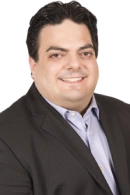
Coletta, Marco
Marco Coletta is a Richmond Hill council candidate and former 2022 Regional and Local Council candidate. His public profiles list Richmond Hill as his location, York University education, property management experience, and past involvement seeking the federal NDP nomination in Markham–Thornhill.
Quick Policy Snapshot
| Gentle Density |
Strongly support city-wide permission
Q
|
|---|---|
| Parking Mandates |
Neutral / undecided
Q
|
| Transportation |
Strongly support reallocating space where needed
Q
|
| Public Safety |
Invest more in prevention, youth programs, mental health supports, and community services
Q
|
| Cutting Development Charges |
Oppose broad reductions because growth costs must still be paid
Q
|
Detailed Policy Positions
Housing & Growth
Gentle Density
Position: Strongly support city-wide permission
Priority: High priority
As the Province as mandated we increase our population density, finding neighbourhood focused solutions that maintain the character of our communities while growing that density is paramount. ADUs and infills when paired with active affordable housing programs will help achieve these goals.
Small Builders
Position: The City should support small developers, but only in selected areas or under strict design rules
Priority: High priority
Our City and Region should support small and local developers who can help add much-needed housing and gentle density within established neighbourhoods. This allows neighbourhoods to grow while respecting their existing character, while larger developers can focus on high-density development around transit hubs and major corridors
Growth Corridors
Position: Prefer a balanced mix of corridor growth and gentle density
Priority: High priority
Favouring high-rise development or small-scale growth alone isn't the answer. We need to balance both.
Our City and Region should support a mix of development that adds housing while respecting the character of established neighbourhoods. High-density development belongs around major transit hubs and corridors, while smaller-scale development can help add gentle density within existing communities.
By balancing both approaches, we can grow in a way that is responsible, affordable, and consistent, while making sure Richmond Hill remains a community people want to call home.
Permit Reform
Position: Support process improvements, but only if current review standards and staffing allow it
Priority: Medium priority
There is always room to improve the approval process for smaller development projects and make it more efficient, but efficiency should never come at the cost of reduced standards.
At the same time, a small-scale development should not have to navigate the same approval process as a major high-rise development. The process should be proportionate to the size and impact of the project, while maintaining consistent standards for safety, planning, infrastructure, and the environment.
Parking Mandates
Position: Neutral / undecided
Priority: Low priority
Transportation & Streets
Transportation Choices
Position: Strongly support reallocating space where needed
Priority: High priority
Street Safety Design
Position: Strongly support using street design as the main safety tool
Priority: Medium priority
Neighbourhood street safety is crucial to creating and maintaining livable, walkable communities. We should design our neighbourhood streets to better manage how vehicle traffic moves through them, using physical street design and traffic-calming measures to encourage slower speeds and safer driving.
Good street design can make our neighbourhoods safer for pedestrians, cyclists, and drivers.
Downtown & Main Street
Position: Support both equally
Priority: Medium priority
Public Safety
Public Safety
Position: Invest more in prevention, youth programs, mental health supports, and community services
Priority: High priority
We need to build neighbourhood-based policing that builds trust between officers and residents through community engagement, and stronger local partnerships and support the following,
- Implementing neighbourhood safety Hubs.
- Implementing a Community Safety Ambassador program.
- Implementing more Foot and Bicycle patrols within neighbourhoods.
- More Youth Engagement Services like sports, after-school programs and summer jobs.
- Stronger victim service & resources
CCTV Cameras
Position: Support targeted cameras in high-risk locations with strict privacy rules
Priority: Medium priority
Public safety cameras are only a single tool when it comes to community safety and one that will need strict control to maintain privacy and minimize abuse. I wouldn't support their use outside of high traffic or commercial areas.
Money & Services
Funding Growth
Position: Prioritize full lifecycle funding even if taxes/fees rise
Priority: High priority
City and Regional Council have a responsibility to provide the infrastructure and services our residents need. This is non-negotiable. A council that sacrifices the infrastructure and services our community needs simply to achieve short-term savings is not acting in the long-term interests of resident.
Cutting Development Charges
Position: Oppose broad reductions because growth costs must still be paid
Priority: Medium priority
Public Spaces & Environment
Public Spaces
Position: Strongly support making this a core budget priority
Priority: High priority
Building more parks, green spaces, and community sports facilities is essential to keeping pace with Richmond Hill’s growing population.
One of my key priorities is finally building a central City Hall that can serve as both a civic and social hub for residents, a place where our community can come together, access services, and connect with their city.
Environment & Resilience
Position: Strongly support stronger action and dedicated funding
Priority: High priority
Transparency & Engagement
Transparency & Engagement
Position: Strongly support more plain-language disclosure and voting records
Priority: Medium priority
Government transparency is critical to rebuilding trust in council, one of the ways we can achieve this is providing every resident an annual property tax breakdown showing exactly how their individual tax dollars are invested in services like roads, parks, public safety, recreation, and libraries.